Nawezaje Kuboresha Utendaji wa Matokeo ya Kichakatazi cha Matairi kwa Ufanisi wa Juu?
Kuweka kiwango cha utendaji wa grinder wa tairi ni kazi ya usawazishaji kati ya kiwango cha kuingiza, afya ya mashine, na ubora wa matokeo. Mbinu muhimu zaidi ya uendeshaji kwa kuongeza kiwango cha uzalishaji ni kudumisha kiwango cha kuingiza kinachozingatia na thabiti. Kuweka mzigo mwingi kwa ghafla kunasababisha msongo wa motor na usagaji usiofanikiwa, wakati kuingiza kidogo kunatumia nishati na muda wa uzalishaji. Kutumia…
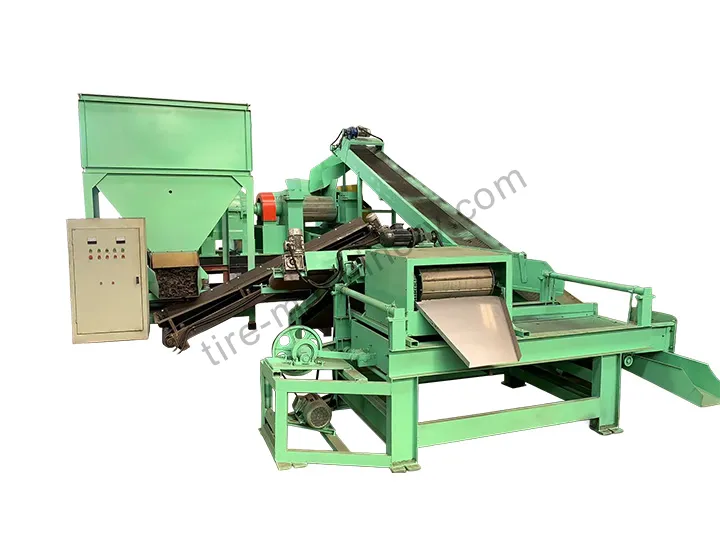
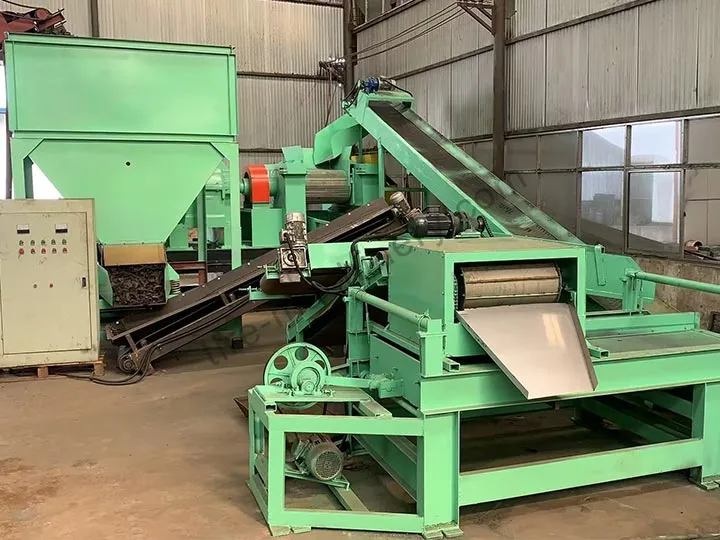
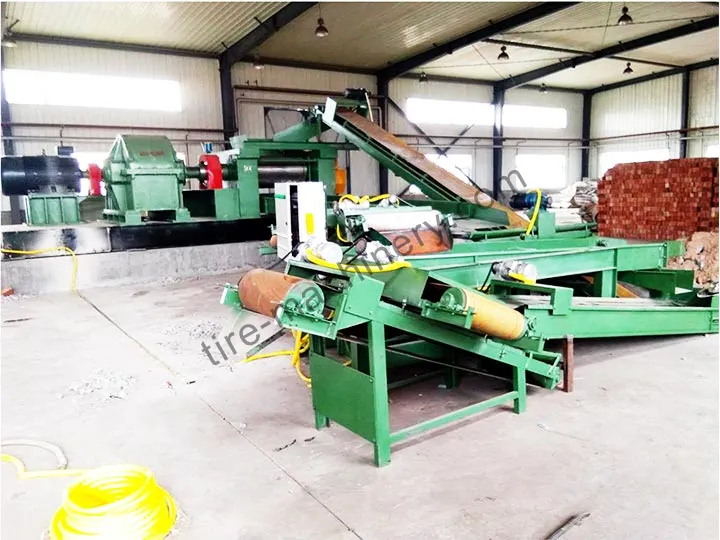
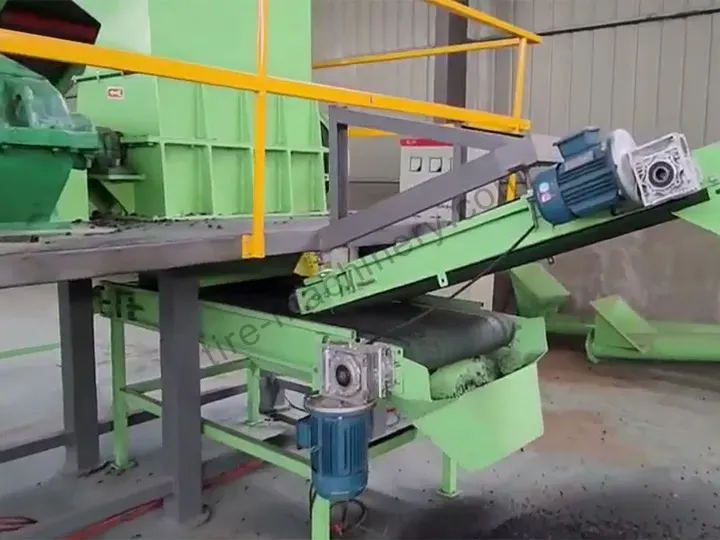
Kuboresha utendaji wa mashine yako ya kusaga tairi ni kitendo cha kusawazisha kati ya kiwango cha kulisha, afya ya mashine, na ubora wa bidhaa. Mbinu ya kiutendaji muhimu zaidi kwa kuongeza uzalishaji ni kudumisha kiwango cha kulisha kilicho thabiti na cha mara kwa mara. Kulisha mashine kupita kiasi kwa mfululizo husababisha shinikizo kwenye motor na usagaji usiofaa, huku kulisha kidogo sana kunapoteza nishati na muda wa uzalishaji. Kutumia mfumo wa kisafirishaji wa kiotomatiki ili kupeleka mtiririko wa nyenzo wa kudumu ndiyo njia bora ya kufanikisha uthabiti huu.
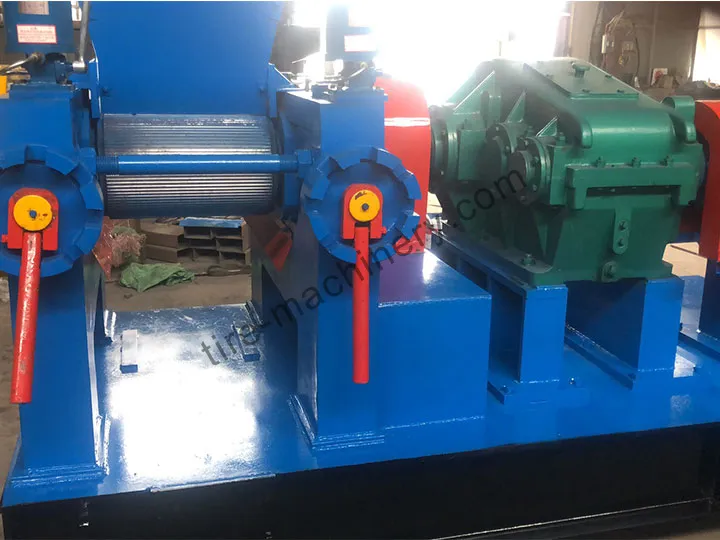
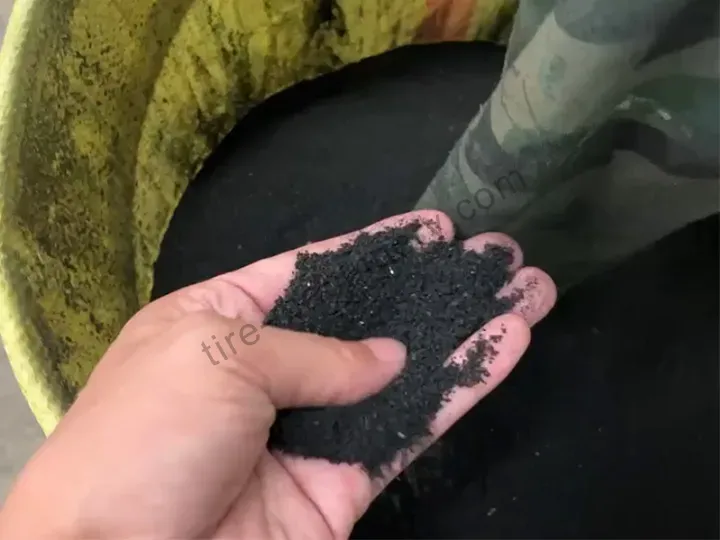
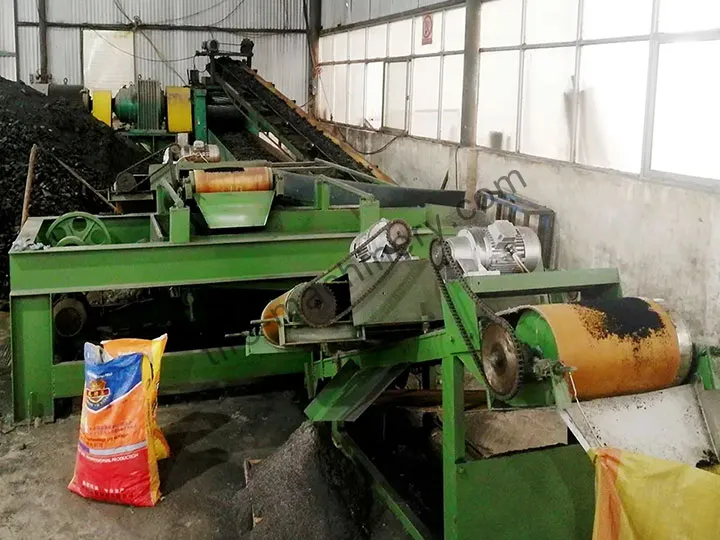
Zaidi ya kiwango cha kulisha, utendaji unahusiana moja kwa moja na hali ya rollers zako za kusaga. Hakikisha pengo kati ya rollers limepimwa kwa usahihi ili kutoa ukubwa wa wavu unaolengwa. Pengo lililo pana sana husababisha unga mbaya wa thamani ya chini, wakati pengo lililo nyembamba sana huzalisha joto kupita kiasi na kupoteza nishati. Kukagua mara kwa mara nyuso za rollers kwa uchakavu na kufanya matengenezo kwa wakati kunahakikisha kwamba kila mizunguko ya motor inabadilishwa kwa ufanisi kuwa unga wa mpira wa ubora wa juu unaoweza kuuzwa.
Ultimately, a well-maintained tire grinder machine is an optimized machine. The path to peak performance isn’t a secret trick but the diligent application of your daily maintenance checklist, including regular cleaning to ensure proper heat dissipation and timely lubrication of all moving parts. An optimized däckslipmaskin not only produces more but also consumes less energy and lasts longer, delivering the highest possible return on your investment.