
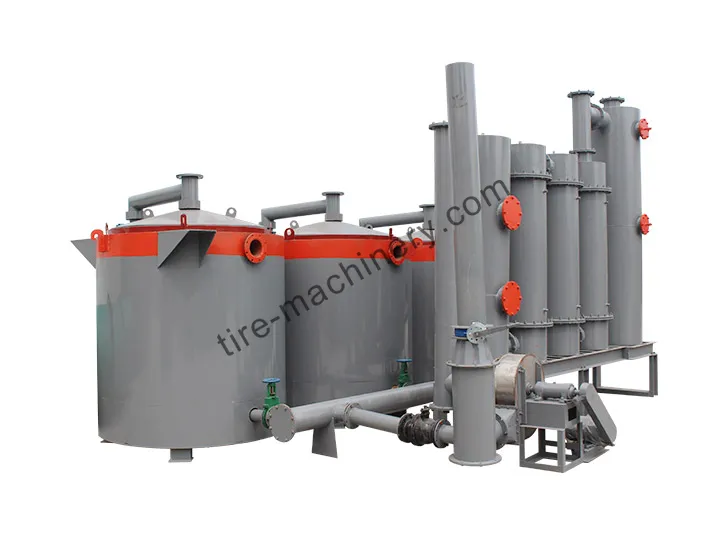
Vertical Charcoal Kiln with Inner Pots
Main Applications
Maximizing the value of large, irregular biomass like logs, thick branches, and coconut shells presents a significant operational challenge. This Hoisting Carbonization Furnace is engineered specifically to meet this challenge, providing a robust, efficient, and reliable solution for converting low-value waste into high-profit, premium-grade charcoal.
Why Choose of Vertical Charcoal Kiln
Non-Stop Production, Double the Output. You get two inner pots. While one is carbonizing inside the furnace, the other is outside cooling and being reloaded. As soon as one batch is done, the next is ready to go in. The machine runs 24/7 with no downtime.
Handles Any Material, Save Money on a Crusher. It takes large wood logs, big branches, or coconut shells as they are. You don’t need to spend extra money on a crushing machine to pre-process your materials.
Self-Sufficient, Save on Fuel Costs. After the first hour, the furnace powers itself by burning the smoke (syngas) it produces. You don’t need to keep adding firewood or use other fuels, which saves you a lot of money in the long run.
More Lifting Carbonizer Images
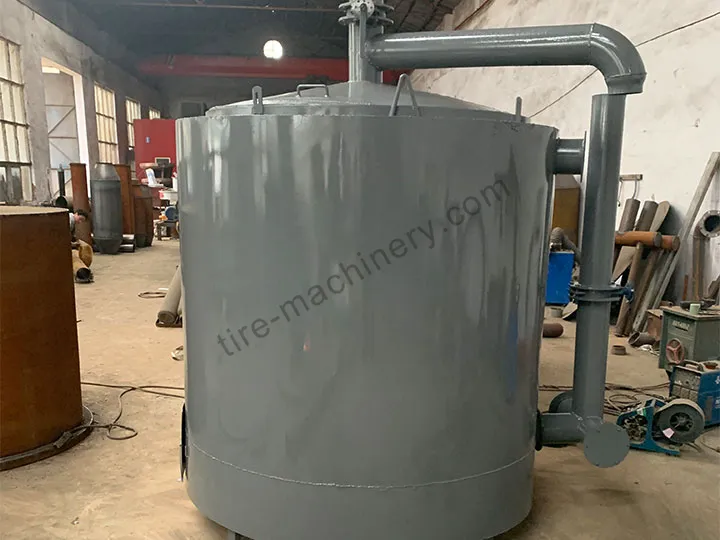
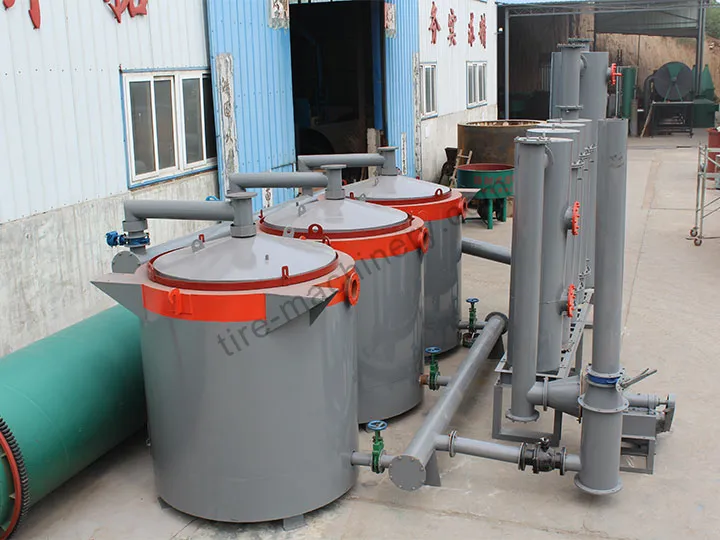
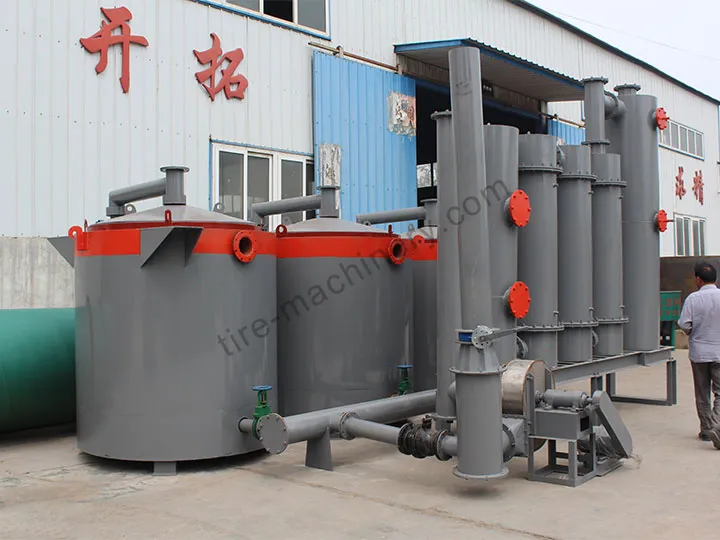
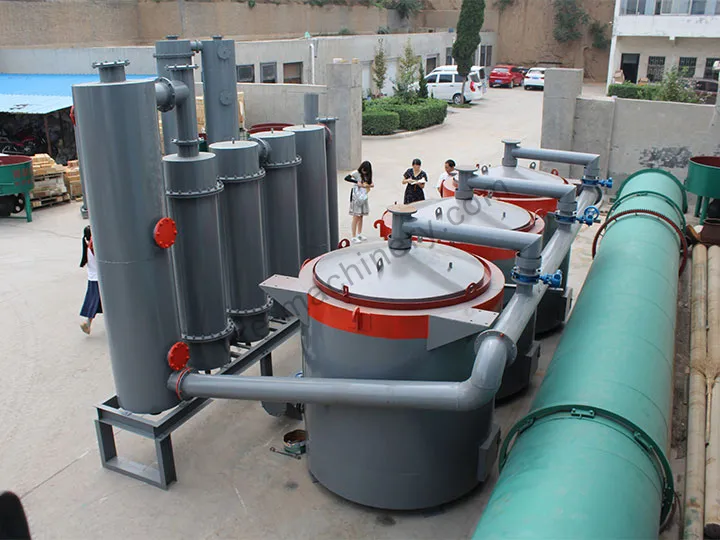
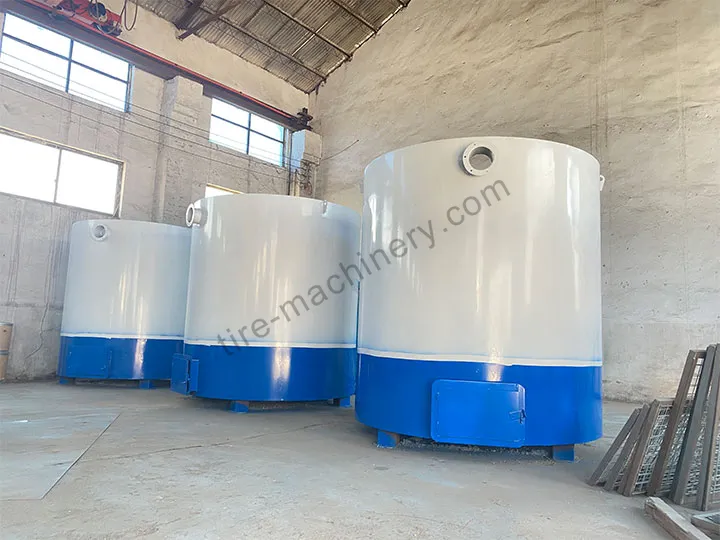
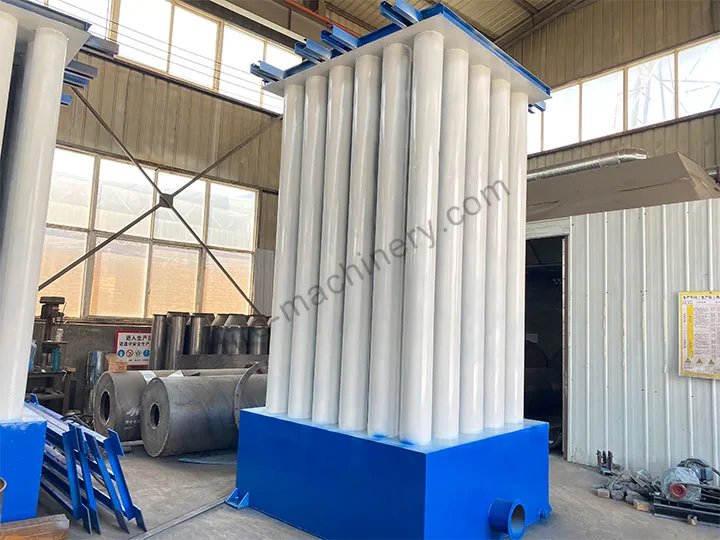
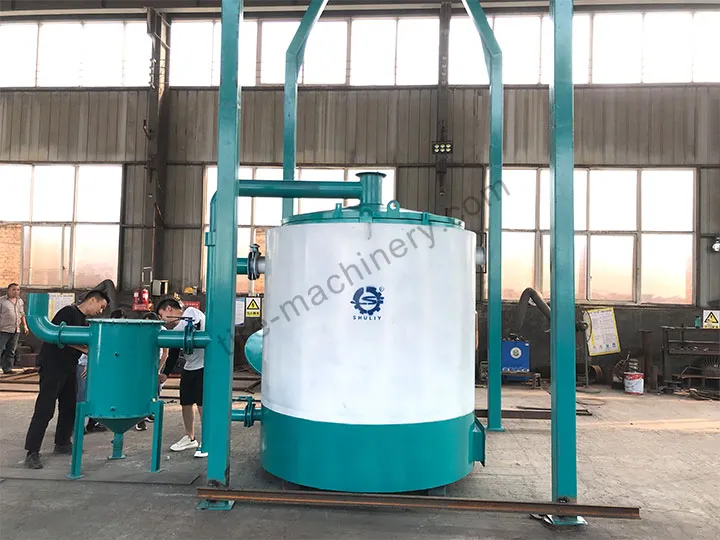
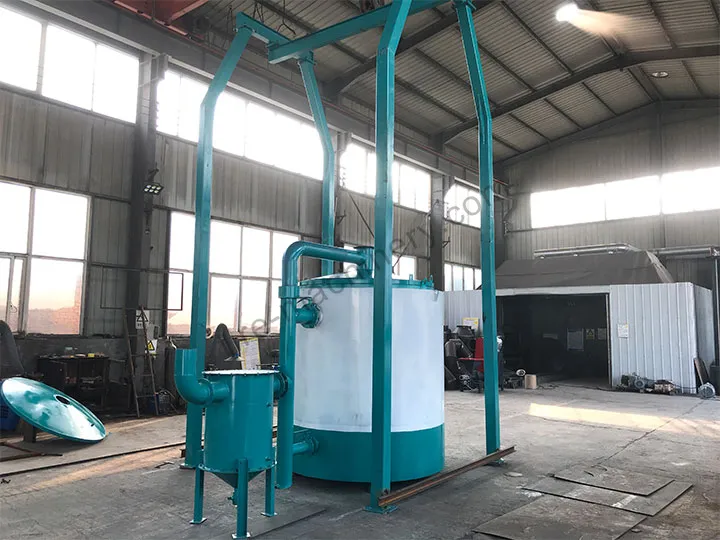
The Principle of Continuous-Batch Production
The operational core of this system is its smart continuous-batch workflow, powered by a heavy-duty Lifting Carbonizer (crane). The system includes one main furnace and two separate inner pots. While one pot undergoes an 8-10 hour carbonization cycle inside the main furnace, the second pot is simultaneously cooled, unloaded, and reloaded with fresh raw material. This parallel process eliminates production downtime typically associated with single-chamber kilns, effectively doubling operational efficiency. Once the first pot is carbonized, it is lifted out to cool, and the pre-loaded second pot is immediately lowered in, starting the next cycle with minimal delay.
Unmatched Versatility: The Ideal Wood Log Carbonization Furnace
A key advantage of this furnace series is its wide raw material adaptability, making it the perfect Wood Log Carbonization Furnace. Unlike systems that require pre-crushed, uniform material, this furnace excels at handling a diverse range of inputs in their original form, including:
- Hardwood Logs and Blocks
- Large Tree Branches and Roots
- Bamboo
- Coconut, Palm, and other Nut Shells
- Scrap wood from furniture factories
Engineered for Durability and High Performance
The structural integrity of our Vertical Charcoal Kiln with Inner Pots is paramount for safe and continuous operation. The design prioritizes durability and heat retention. For instance, the popular 1500 model features an inner pot constructed from 8mm thick steel plate, with an outer shell of 6mm steel. This heavy-duty construction, combined with high-temperature sealant and insulation, ensures that a stable carbonization temperature of up to 500°C is maintained efficiently, preventing heat loss and guaranteeing a complete, uniform carbonization process.
Wood Log Lifting Carbonizer Specification
| Model | Inner Pot Diameter | Inner Pot Height | Inner Pot Thickness | Outer Shell Thickness | Output per Cycle | Carbonization Time |
|---|---|---|---|---|---|---|
| 1000 Model | 1.0 m | 1.5 m | 8 mm | 6 mm | ~600 kg | 6-8 Hours |
| 1300 Model | 1.3 m | 1.5 m | 8 mm | 6 mm | ~800 kg | 8-10 Hours |
| 1500 Model | 1.5 m | 1.5 m | 8 mm | 6 mm | ~1000 kg | 8-10 Hours |
Frequently Asked Questions
Most frequently asked questions by customers who purchased Shuliy Hoisting Carbonization Furnace.The biggest advantage of this furnace is fuel savings. After the first hour of ignition, it runs on the syngas it produces, so there are virtually no ongoing fuel costs. Your main expenses will be the electricity for the crane and the salary for one operator.
Your payback period depends on your raw material costs and the local charcoal selling price. However, because this furnace can operate 24/7 (e.g., a 1500 model can produce nearly 2 tons daily), its output is far greater than traditional kilns, leading to a much faster ROI.
Absolutely. This furnace produces high-density, long-burning “hardwood charcoal.” This premium quality is in high demand in both barbecue and industrial markets, directly increasing your profit margins.
This is a key advantage. Because the heavy lifting is done by the Lifting Carbonizer (crane), one skilled operator can easily manage the operation of several furnace units. This drastically cuts labor costs compared to traditional kilns that require extensive manual loading and unloading.
With the dual-pot cycle, you can achieve true 24-hour continuous operation. Taking the 1500 model as an example, you can stably run two full cycles per day, which means a daily output of nearly 2,000 kg (2 tons) of finished charcoal.
You need a flat, solid concrete foundation and sufficient vertical clearance for the crane (at least 4-5 meters high). You also need to allocate space for the cooling inner pot, the pot being loaded, and your raw material storage area.
The furnace body is built from thick steel plates (8mm for the inner pot, 6mm for the outer shell). With proper operation, the main furnace body is designed to last for many years. The inner pots are consumables, but our reinforced design ensures they also have a long service life.
Daily maintenance is simple. It mainly involves periodically checking and cleaning the syngas pipes to prevent tar blockage and inspecting the door seals for leaks. In the long term, your main maintenance cost will likely be replacing the inner pots after several years of use.
(This is a critical procurement question). As a reliable supplier, we guarantee a ready supply of all key wearable parts to ensure a minor issue doesn’t halt your production.
The yield rate is typically between 3:1 and 4:1, depending on the type and moisture content of your raw material. For example, 3 to 4 tons of wood will produce approximately 1 ton of charcoal.
While the furnace can process materials with some moisture, the drier the material (ideally below 20% moisture), the shorter the carbonization time, the less fuel consumed during preheating, and the higher the final yield. For maximum efficiency, pre-drying your raw materials is recommended.
Yes. During the syngas cooling and purification process, small amounts of wood vinegar and wood tar are collected. These by-products have applications in agriculture and industry and can be collected and sold for additional revenue.