Почему мой шредер шин издает странные звуки и как это исправить?
Необычные шумы во время работы — это способ машины сообщить о механическом дисбалансе или предстоящей неисправности. Громкий грохот или стук часто указывает на то, что болт ослабел из-за вибрации или что в камеру измельчения попал посторонний предмет, например, кусок случайной стальной проволоки. Если вы слышите высокий писк…
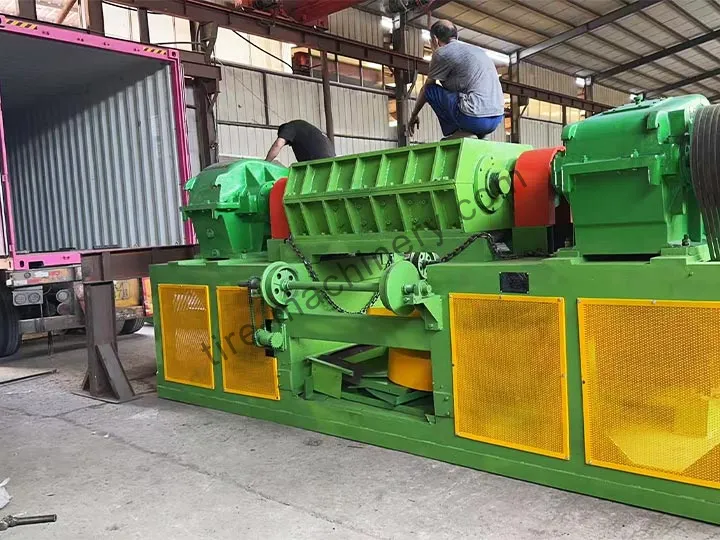
Необычные шумы во время работы — это способ машины сообщить о механическом дисбалансе или предстоящей неисправности. Громкий грохот или стук часто указывает на то, что болт ослабел из-за вибрации или что в камеру измельчения попал посторонний предмет, например, кусок случайной стальной проволоки. Если вы слышите высокий писк или постоянный скрежет, это, скорее всего, признак сухого или неисправного подшипника, требующего немедленной смазки или замены, чтобы избежать полного заедания.
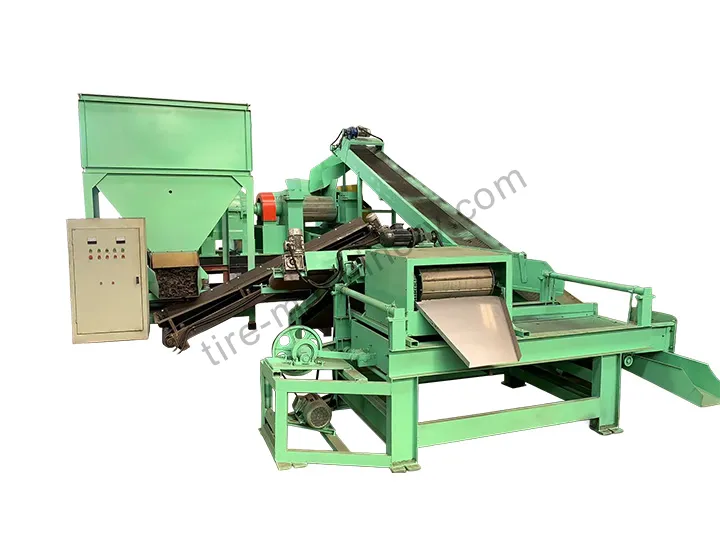
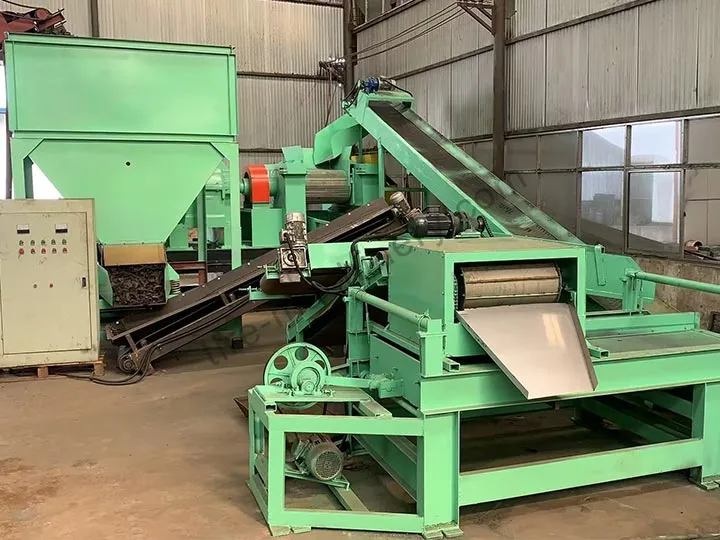
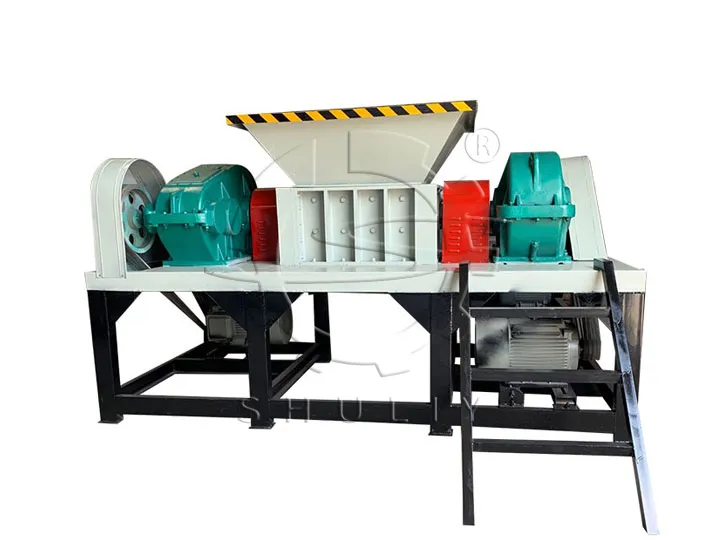
The first step in troubleshooting any abnormal sound is to safely shut down the дробилка для шин and perform a lockout-tagout procedure. Once the machine is completely stationary and cooled down, inspect the drive belts for proper tension and check the internal chamber for any obstructions. Many noise issues are caused by simple, preventable factors like loose fasteners or uneven material feeding, both of which can be corrected quickly without the need for specialized technical support if caught early enough.
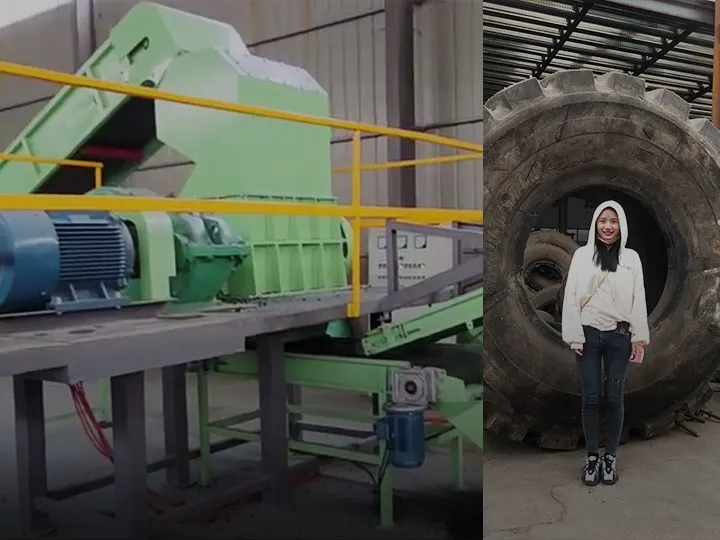
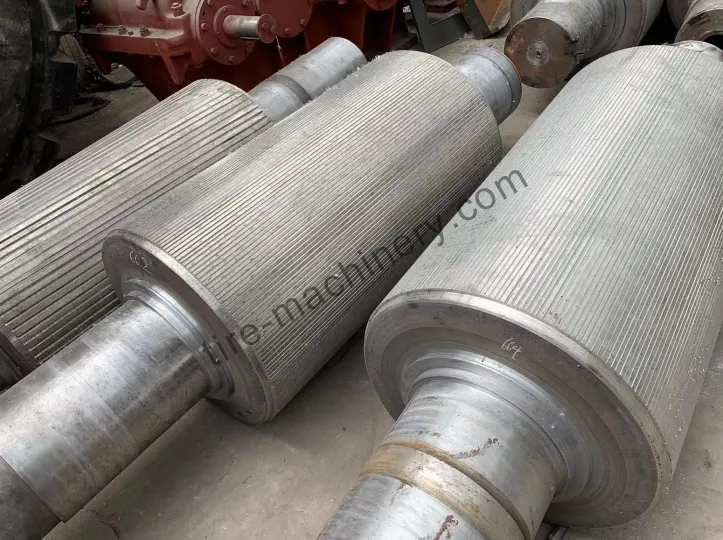
If the noise persists after basic checks, it may indicate a deeper issue within the gear system or a misalignment of the alloy rollers. Operating a machine that is making strange noises not only risks permanent damage to the equipment but also poses a serious safety threat to your staff. Regularly reviewing your maintenance logs and ensuring your team follows a линия переработки шин operational protocol will help you identify these “warning sounds” before they result in a major financial loss.